Easter Shadow Box Paper Cut SVG: 3D Depth for Spring Campaigns
As a brand designer and content marketer, I approach every seasonal asset with a critical eye. It is not enough for a graphic to look cute; it must perform. When I first opened the files for the Easter Shadow Box Paper Cut SVG, my immediate goal was to determine if this graphic design asset could elevate a real-world marketing campaign or if it would remain just another piece of clipart in a crowded digital folder. For small business owners and creative entrepreneurs preparing for the spring rush, the difference between a generic post and a memorable brand moment often lies in the depth and texture of the visuals used.
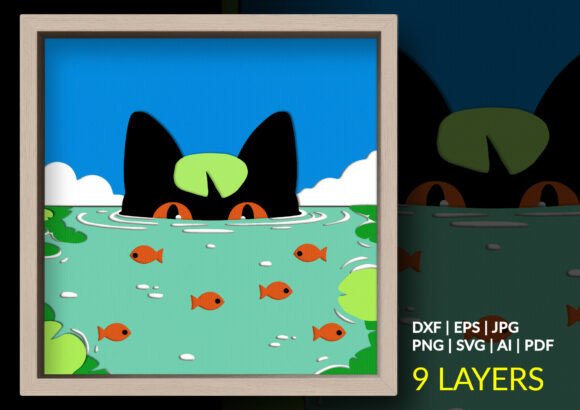
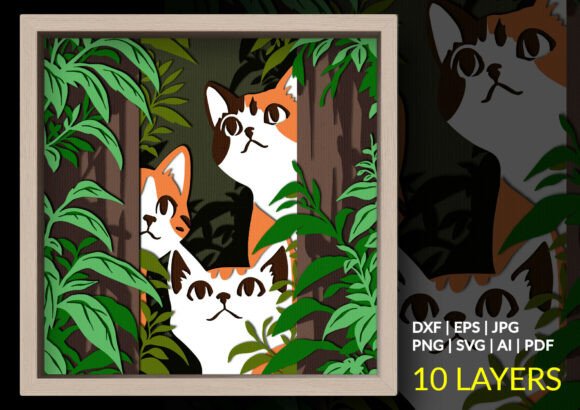
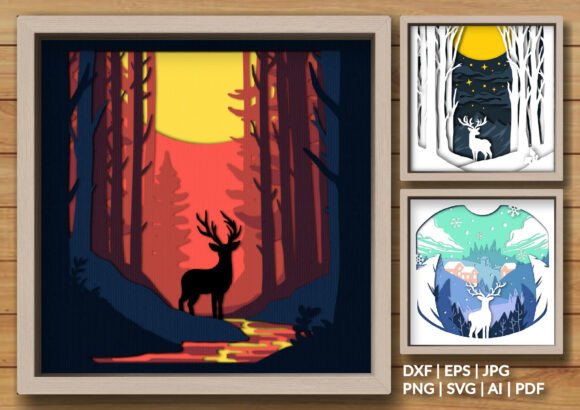
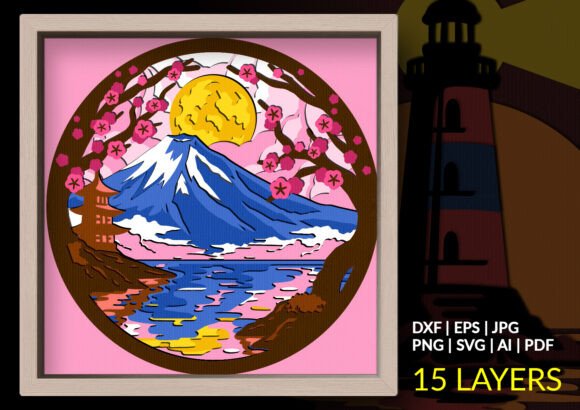
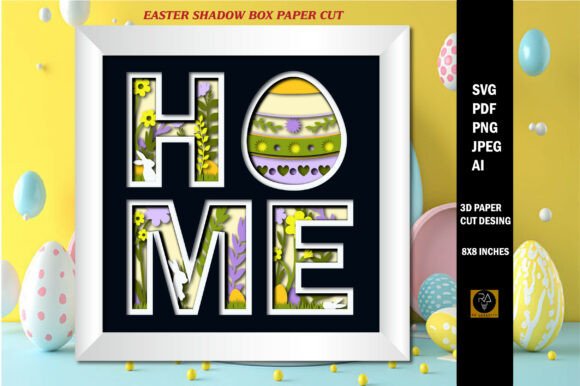
The first impression of this design is one of delicate craftsmanship. Unlike flat vector illustrations that can sometimes feel sterile on a screen, this SVG design mimics the tactile quality of layered paper art. The mood it creates is warm, inviting, and distinctly handmade. In an era where audiences crave authenticity, this aesthetic bridges the gap between digital product convenience and handmade products charm. It signals to the viewer that the brand behind the image cares about detail, making it highly suitable for lifestyle content, boutique product launches, and editorial graphics that require a touch of whimsy without sacrificing professionalism.
Integrating Layered Depth into Brand Identity
In a recent project involving a local bakery launching a limited-edition spring menu, we needed visuals that stood out in a saturated Instagram feed. The Easter Shadow Box Paper Cut SVG became the cornerstone of our social media graphics. By utilizing the layered nature of Shadow Boxes, we were able to create a sense of physical space within a two-dimensional ad. This technique immediately improved our visual hierarchy; the eye is naturally drawn to the deepest part of the cut-out effect, allowing us to place key promotional text or product images right in the center of the composition.
This asset shines when applied to packaging design and product labels. Imagine a sticker sheet for a candle company or a seal for a gift box. The intricate layering of the 3D SVG files allows for die-cutting possibilities that add tangible value to the unboxing experience. For small business branding, this level of detail fosters audience trust. It suggests that the brand invests in high-quality design assets rather than relying on low-resolution, generic templates. Whether used as a hero graphic on a website header or as a decorative element in an email banner, the design maintains a crisp edge that ensures a professional branding appearance.
Strategic Applications for Content Creators
The versatility of this illustration extends far beyond simple decoration. For bloggers and publishers, it serves as an excellent focal point for editorial design. I envision using it to break up long-form content in a spring-themed blog post, acting as a visual anchor that keeps the reader engaged. For those creating Canva templates to sell on creative marketplaces, this file offers a premium feel that justifies a higher price point. It transforms a standard printable design into a sophisticated piece of art.
Furthermore, the emotional connection this design fosters is powerful. Easter is a celebration of renewal, and the freshness captured in these layers resonates with consumers looking for hope and new beginnings. When used in digital ads or Facebook campaigns, this emotional resonance can lead to better engagement rates. People stop scrolling when they see something that feels crafted with care. It supports marketing goals by creating a stronger first impression and ensuring the campaign visuals are more memorable than the competition.
Navigating Limitations and Design Constraints
However, a professional review must also address where an asset should be used carefully. The intricate details of the Easter Shadow Box Paper Cut SVG mean it may not perform well in extremely small mobile graphics where the layers could blur together. If you are designing a favicon or a tiny icon for a navigation bar, the complexity of the 3D SVG might get lost. Additionally, this style is not ideal for formal corporate branding or dense information layouts. If your primary goal is to convey serious financial data or strict regulatory information, the whimsical, layered nature of this design could distract from the main message.
Contrast is another critical factor. Because shadow box designs rely on the interplay of light and dark layers to create depth, placing them on low-contrast backgrounds can render the effect invisible. To maintain visual consistency, ensure there is sufficient separation between the design layers and the background color. In text-heavy ads, use this asset as a border or a background watermark rather than a central figure to avoid competing with your copy.
Practical Notes for Professional Implementation
Before integrating this commercial design into your client work or paid campaigns, I recommend a few practical tests. First, test the asset against your specific brand color palette. While the default colors are lovely, recoloring the layers to match your brand guidelines can create a cohesive brand identity. Check how the design looks in black and white; a strong graphic design asset should hold its form even without color.
Typography pairing is essential. I found that this design pairs beautifully with elegant serif fonts for a classic look, or clean sans serif fonts for a modern twist. Avoid overly busy handwritten fonts that might clash with the intricate cuts of the paper art. Always preview your mockups on mobile screens to ensure readability. Finally, and most importantly, confirm the commercial license terms. Ensure you have the rights to use this design bundle for merchandise, client projects, and large-scale advertising.
Ultimately, the Easter Shadow Box Paper Cut SVG is a robust tool for anyone looking to inject life and dimension into their spring marketing. It moves beyond simple decoration to become a strategic element of content marketing. By understanding its strengths in creating depth and its limitations regarding scale and context, designers and marketers can leverage this asset to build campaigns that are not only visually stunning but also effective in driving brand recognition and engagement.