Chicken Folk Art Scandinavian Shadow Review
As a designer who spends more time staring at stitch maps than most people spend watching television, I approach every new machine embroidery design with a mix of excitement and skepticism. We've all been there: you download a file that looks stunning on the screen, only to find out it's a nightmare of jump stitches or impossible density once it hits the hoop. That is why I took a close look at the Chicken Folk Art Scandinavian Shadow. This isn't just another cute barnyard motif; it carries a specific aesthetic weight that demands careful consideration before you commit thread to fabric.
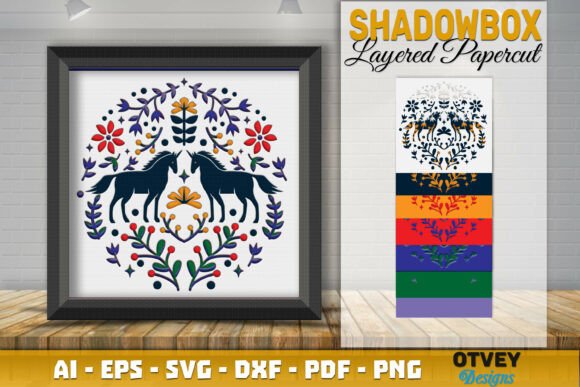
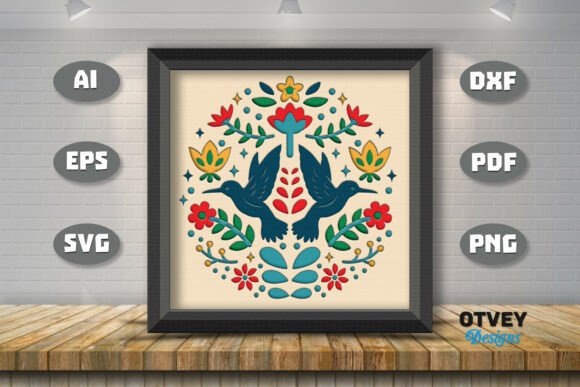
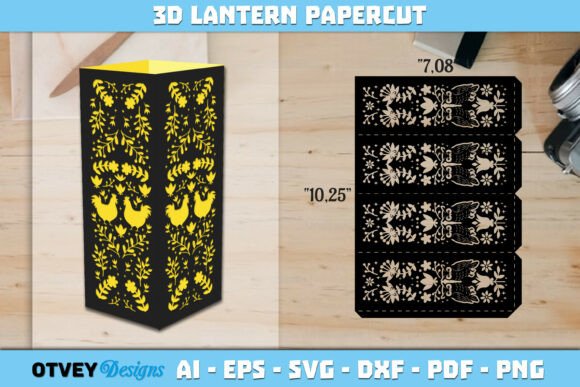
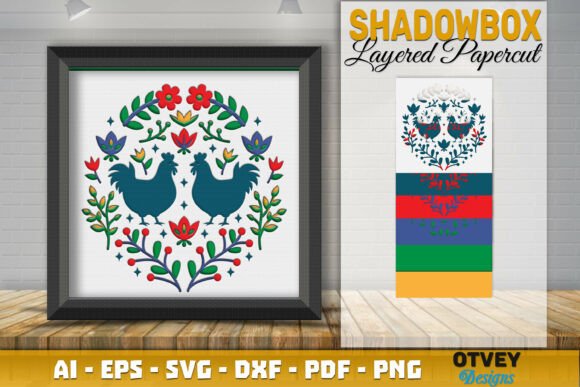
The first thing that strikes me about this design is its mood. It doesn't scream "farmhouse chic" in the overused, mass-produced sense. Instead, it leans into that distinct Scandinavian folk art tradition—clean lines, stylized shapes, and a narrative quality that feels timeless. The "Shadow" aspect of the title suggests depth, likely achieved through layering or specific shading techniques within the vector data. For those of us creating handmade products, this visual personality is gold. It tells a story without needing words, making it an excellent candidate for personalized gifts where the recipient appreciates artisanal quality over generic clipart.
Real-World Application: The Boutique Tote Scenario
To truly evaluate this embroidery file, I imagined a specific real-life scenario. Picture a small shop owner preparing a run of canvas tote bags for a spring market. These aren't cheap promotional giveaways; they are premium, heavy-weight cotton totes meant to be used daily. The Chicken Folk Art Scandinavian Shadow sits perfectly in the center of the bag. Because the design relies on strong silhouettes and likely utilizes a mix of satin stitch borders and fill stitch bodies, it holds up well against the textured weave of canvas.
In this context, the design shines because it avoids overly intricate, tiny details that might get lost or chewed up by the fabric texture. A customer running their hand over the finished product would feel a satisfying tactile experience. The shadow effect adds a layer of sophistication, elevating a simple chicken motif into something that feels like a piece of wearable art. For an Etsy seller, this distinction is crucial. It moves the item from "cute craft" to "boutique merchandise," allowing for a higher price point and better brand perception.
Versatility Across Custom Apparel and Home Goods
Beyond tote bags, I see this design working beautifully on custom apparel. Imagine it stitched onto the chest pocket of a denim jacket or the back yoke of a flannel shirt. The Scandinavian style pairs naturally with rugged, natural fabrics like linen, denim, and wool blends. It would also make a charming addition to baby embroidery projects, perhaps on a muslin swaddle or a sturdy bib, provided the stitch density is appropriate for sensitive skin.
For home decor enthusiasts, this design is a natural fit for pillow covers and tea towels. The horizontal or balanced layout typical of folk art fits standard rectangular hoops well. If you are creating holiday embroidery for Easter or spring collections, this chicken motif is an obvious choice, but its stylistic execution keeps it relevant year-round. It avoids being too seasonal, which is a smart move for small shop products that need to sell consistently.
Navigating Technical Challenges and Fabric Choices
However, no design is without its challenges, and a professional review must address where caution is needed. The "Shadow" element implies complexity. If you are planning to use this on stretchy fabric like a thin t-shirt or a cap, you need to be very careful. Curved surfaces, such as the front of a baseball cap, can distort detailed designs. If the shadow effect relies on tight spacing between color blocks, stretching the fabric during wear could cause those gaps to close up or the threads to break.
Similarly, when working with dark fabric, you must consider the underlay. Does the design include a solid underlay to prevent the background color from peeking through? If not, you may need to manually add a fill layer in your editing software before stitching. Textured fabrics like Terry cloth or heavy bouclé can also swallow up fine details. Before committing to a final finished product, always test the design on a scrap piece of the exact fabric you intend to use. This is non-negotiable for maintaining customer trust and ensuring professionalism.
Another consideration is the hoop size. While the file formats included (AI, PDF, EPS, JPG, PNG, SVG, DXF) suggest versatility for cutting machines and print, for embroidery, you need to ensure the scaled size fits your hoop without excessive re-hooping. If the design is large, it might require a jumbo hoop, which limits the types of garments you can decorate. Always check the dimensions in your embroidery software before purchasing or stitching.
Enhancing Brand Value and Visual Appeal
From a business perspective, the Chicken Folk Art Scandinavian Shadow offers significant value in terms of brand consistency. If your brand identity is rooted in nature, simplicity, or Nordic aesthetics, this design reinforces that message instantly. It acts as a recognizable design asset that can be repeated across various touchpoints—from an embroidered patch on a hat to a printable mockup on your website.
The clarity of the stitching in this style generally leads to high buyer engagement. Customers are drawn to designs that look crisp and intentional. A messy or poorly digitized folk art design can look amateurish, but a well-executed one signals quality. This design's strength lies in its boldness; it doesn't rely on thousands of tiny stitches to create an image, which often reduces the risk of bird-nesting and thread breaks during production.
Practical Notes for the Serious Maker
Before you start churning out inventory, here are my practical recommendations for working with this file:
- Test First: Always stitch a sample on scrap fabric. Check how the shadow layers interact with your specific thread brands.
- Check Contrast: Ensure your thread colors provide enough contrast between the chicken, the shadow, and the background fabric. Low contrast can make the "shadow" effect invisible.
- Stabilizer Matters: For a design with potential density variations, using the correct stabilizer is key. Cut-away stabilizer is usually best for garments that will be washed frequently to prevent distortion.
- Review the Files: The package includes AI, EPS, SVG, and DXF files. These are primarily vector formats for cutting or printing. If you are using these for commercial embroidery, ensure you have the actual machine embroidery file formats (like PES, DST, EXP) required by your specific machine, or be prepared to digitize the vectors yourself if only cut files are provided.
- Licensing: Confirm the license terms. Can you sell the finished product? Can you sell the digital file? Never assume; always read the included documentation.
In conclusion, the Chicken Folk Art Scandinavian Shadow is a compelling choice for designers looking to add a touch of rustic elegance to their portfolio. It bridges the gap between traditional folk motifs and modern design sensibilities. Whether you are creating a sweatshirt embroidery line, decorating kitchen towels, or crafting unique wedding gifts, this design has the potential to perform exceptionally well—if treated with the technical respect it deserves. By understanding its strengths and limitations regarding fabric choice and stitch density, you can leverage this asset to create products that stand out in a crowded marketplace.