Folk Art Lantern Paper Cut Files: A Designer's Review
When I first opened the folder for the Folk Art Lantern Paper Cut Files, my immediate reaction wasn't just about the aesthetic; it was about potential application. As someone who spends hours digitizing and stitching, I look past the pretty preview images to see how a design will actually behave under the needle. This collection, categorized under Shadow Boxes and offered as a 3D SVG asset, immediately struck me as a versatile tool for creators who want to bridge the gap between paper crafting traditions and modern textile art.
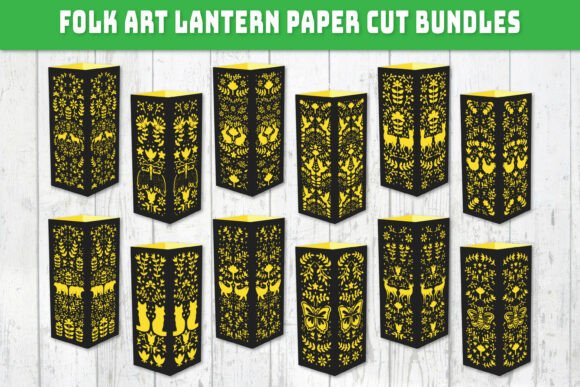
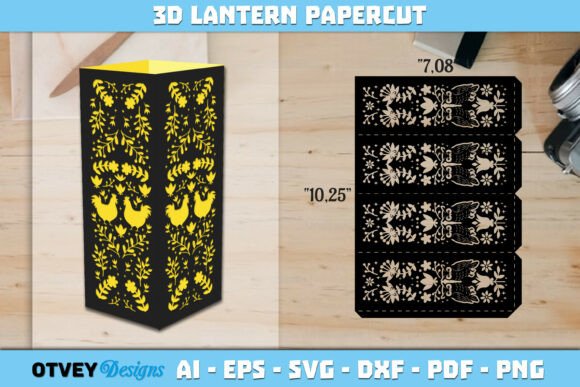
The visual personality of these lanterns is distinct. They carry a whimsical, hand-cut vibe that feels both nostalgic and contemporary. The lines are clean, suggesting a layout that respects negative space—a crucial element when translating a paper cut concept into thread. For embroidery designers, this means the design likely avoids the trap of becoming a solid block of color, which can stiffen fabric and ruin the drape of a garment. Instead, the openwork style inherent in paper cut files suggests a lighter touch, perfect for projects where breathability and softness matter.
Visualizing the Stitch-Out on Real Products
I started imagining this design on a specific project: a custom embroidered tote bag for a local boutique. Tote bags often use canvas or heavy cotton, fabrics that can handle detail but also show every imperfection. The Folk Art Lantern Paper Cut Files would shine here. The intricate cut-out patterns of the lantern would translate beautifully into a combination of satin stitch borders and delicate running stitch details. If you are an Etsy seller looking to elevate your handmade product line, this design offers a level of sophistication that moves beyond generic clipart.
Consider the application on custom apparel. Picture a cozy sweatshirt in a muted sage green or a deep charcoal. Placing this lantern design on the chest or sleeve creates a focal point that feels intentional and artistic. Because the source files include vector formats like AI, EPS, and SVG, a skilled digitizer could easily adapt the paths for machine embroidery, ensuring the stitch density is optimized for knit fabrics. Unlike dense fill designs that might cause puckering on a sweatshirt, the airy nature of a lantern motif allows the fabric to remain flexible.
For those creating personalized gifts, such as baby embroidery items or nursery decor, the gentle folk art theme is ideal. A pillow cover featuring this lantern could become a cherished heirloom. The design's symmetry and balance make it suitable for centering on square hoops, creating a professional finish that buyers trust. When customers see a finished product with such clear definition and thoughtful composition, it reinforces brand consistency and increases the perceived value of your small shop product.
Navigating Fabric Textures and Hoop Constraints
However, practical design judgment requires us to look at the challenges. While the Folk Art Lantern Paper Cut Files are stunning, they demand respect regarding fabric choice. If you attempt to stitch this on a highly textured fabric like a waffle weave or a loose linen without proper preparation, the fine details of the "paper cut" edges might get lost. The interplay between the thread and the fabric texture needs to be harmonious. On dark fabrics, you must ensure your thread colors have enough contrast to make the lantern's internal details pop; otherwise, the intricacy vanishes into the background.
Size matters significantly here. Since these are originally intended for paper cutting and shadow boxes, the scale might need adjustment for embroidery. If you are working with a small hoop size, you must verify that the smallest gaps in the lantern design are wide enough to accommodate the thread thickness. Tiny, closed spaces can lead to bird nests or thread breaks if the digitizing isn't precise. Always test the design on scrap fabric first. This is non-negotiable. Check how the stabilizer interacts with the material, especially if you are working on stretchy fabrics like jersey for baby clothes or caps.
Curved surfaces present another hurdle. Applying this design to a cap requires careful positioning. The structured front panel of a cap is forgiving, but the curvature can distort the vertical lines of the lantern if the design is too tall or not properly pushed/pulled compensated during digitizing. For embroidered patches, however, this design is a goldmine. The defined edges of the lantern create a natural border for a merrowed edge or a satin stitch boundary, resulting in a patch that looks like a miniature work of art.
Maximizing Commercial Value and Workflow
From a business perspective, the file formats provided in the ZIP—AI, PDF, EPS, JPG, PNG, SVG, and DXF—offer immense flexibility. While these are not native embroidery files (like PES or DST), they are excellent design assets for creating printable mockups or for use in hybrid projects. An apparel decorator could use the PNG or JPG for heat transfer vinyl applications while using the SVG or DXF as a base for custom digitizing. This dual-approach allows you to offer the same design aesthetic across different production methods, catering to a wider client base.
For the digital product seller, these files are a strong addition to a library of creative resources. However, if your goal is to sell the finished product rather than the digital file, the uniqueness of the folk art style helps you stand out in a saturated market. It avoids the overused trends seen in many holiday embroidery collections, offering a timeless look that sells year-round. Whether it's for a wedding gift, a housewarming present, or boutique branding, the lantern motif conveys warmth and illumination.
One critical note on licensing and technical specs: The product description lists the file types clearly, but it does not specify exact stitch counts, recommended hoop dimensions, or specific machine compatibility because this is a vector/graphic pack, not a pre-digitized embroidery file. Therefore, if you intend to use this for commercial embroidery, you must either digitize it yourself or hire a professional digitizer to convert these vectors into a machine embroidery design. Do not assume the DXF or SVG will stitch perfectly out of the box without adjustment. Verify the license terms regarding commercial use of the finished stitched items before listing them in your store.
Final Thoughts on Design Integrity
In conclusion, the Folk Art Lantern Paper Cut Files represent a high-quality resource for the thoughtful creator. They bridge the gap between traditional paper arts and modern textile decoration. The key to success lies in respecting the design's intricacy. By choosing the right fabric texture, utilizing appropriate stabilizer, and carefully planning your thread colors, you can transform these digital vectors into tangible, beautiful objects. Whether you are making a single personalized gift or scaling up for a craft business, this design holds the potential to create a finished product that delights customers and stands the test of time. Just remember to test, adjust, and let the folk art charm guide your stitching strategy.