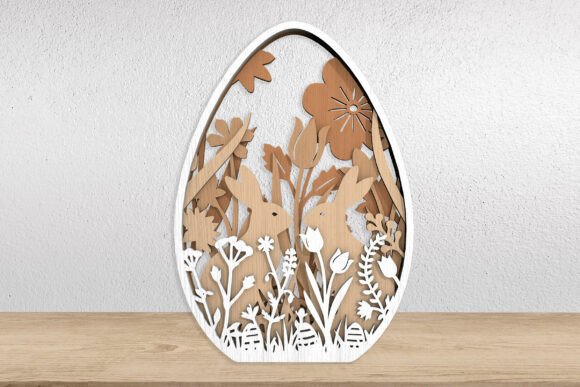
Easter Egg Layered SVG: A Designer's Practical Review
As a designer who spends more time staring at stitch maps than most people care to admit, I approach every new machine embroidery design with a mix of excitement and skepticism. When I first pulled up the Easter Egg Layered SVG, my initial reaction wasn't just about the cute factor; it was about structural integrity and visual flow. We often get caught up in the holiday theme, but for those of us running a craft business or selling on Etsy, the real question is whether this digital embroidery file can hold up under the needle and satisfy a paying customer.
First Impressions: Mood and Visual Personality
The first thing that strikes me about the Easter Egg Layered SVG is its playful yet structured aesthetic. It captures that quintessential spring vibe without feeling childish or overly simplistic. The layered concept suggests depth, which is fantastic for creating a finished product that feels premium rather than flat. In the world of Other Art Design, layering is often used to create dimension in laser cutting projects involving wood or acrylic. However, translating that layered logic into embroidery requires a keen eye for how threads interact.
The shape language is soft and inviting, perfect for the season. Whether you are aiming for a modern boutique look or a traditional handmade feel, the layout offers enough versatility. The detail level appears balanced; it isn't so dense that it becomes a puckering nightmare, nor is it so sparse that it looks unfinished on textured fabrics. This visual personality makes it a strong candidate for various applications, from high-end nursery decor to casual holiday gifts.
Real-World Application: The Tote Bag Test
To truly evaluate this design, I imagined a specific real-life scenario: preparing a custom order for a local boutique needing a run of limited-edition spring tote bag designs. The client wanted something that screamed "Easter" but could also transition into general spring decor. Here is where the Easter Egg Layered SVG shines.
On a canvas tote, the potential for using different thread colors to mimic the layered effect is immense. By selecting slightly varying shades of pastels for the different sections, you can create a subtle 3D illusion that mimics the intended laser-cut style mentioned in the product description. If I were stitching this on a sweatshirt embroidery project, the design's clean lines would stand out beautifully against the fleece texture. For a baby embroidery item, like a onesie or a receiving blanket, the soft curves feel gentle and appropriate, avoiding any harsh angles that might distract from the overall cuteness.
However, we must be realistic about the medium. While the product description highlights its suitability for Laser Cutting materials like MDF and plywood, applying it to fabric changes the rules. The "layers" in an SVG meant for cutting are physical depths. In embroidery, these become color blocks or stitch types. A savvy Etsy seller knows that managing customer expectations is key. You aren't selling a wooden sign; you are selling a textile interpretation of that depth. The success of this embroidery project relies heavily on your choice of satin stitch versus fill stitch to define those layers clearly.
Navigating Fabric Challenges and Stitch Density
No design is universal, and the Easter Egg Layered SVG requires careful consideration regarding fabric choice. If you are working with stretchy fabrics like jersey knits for custom apparel, you must be vigilant about stitch density. High-density areas can cause the fabric to pucker or distort, ruining the clean lines of the egg shapes. In these cases, using a high-quality cut-away stabilizer is non-negotiable.
Conversely, if you are attempting this on a curved surface like caps, the layout might need adjustment. The center of the cap is prime real estate, but the curvature can compress the design. Small details or tight corners in the layered sections might get lost or cause thread breaks if the design isn't optimized for hats. Similarly, on dark fabrics, the contrast becomes critical. A light pastel palette might get swallowed by a navy or black background unless you incorporate a backing layer or choose highly saturated thread colors.
For items that require frequent washing, such as kitchen towels or aprons, the durability of the stitches is paramount. Dense fill areas can become stiff over time. It is worth testing a sample to see how the fabric texture holds up after multiple wash cycles. If the design feels too rigid on the scrap fabric, it might not be suitable for items that need to remain soft and pliable.
Enhancing Brand Value and Customer Trust
Ultimately, the goal of using a design like the Easter Egg Layered SVG is to elevate your handmade product. A well-executed embroidery job signals professionalism. When a customer sees clean edges, consistent tension, and thoughtful color choices, their trust in your brand increases. This design has the potential to be a signature piece for your spring collection, provided it is executed with care.
For commercial embroidery projects, consistency is king. If you are producing fifty units for a corporate gift or a wedding favor, the design must stitch out reliably every single time. The clarity of the layers ensures that even from a distance, the motif is recognizable. This recognition factor is crucial for brand consistency and buyer engagement. A distinct, high-quality image stops the scroll on social media and draws attention to your small shop product.
Practical Notes for the Professional Maker
Before you commit to a full production run, here are a few practical steps I recommend taking with this specific file:
- Test on Scrap First: Always stitch a sample on the exact fabric you intend to use. What looks good on cotton might behave differently on linen or polyester blends.
- Check Color Contrast: Experiment with your thread chart. Sometimes shifting one shade lighter or darker can make the "layered" effect pop much more effectively.
- Review Stitch Density: Look closely at the stitch map. If certain areas look too crowded, consider editing the file to reduce density, especially for stretchy materials.
- Confirm Hoop Size: Ensure the design fits comfortably within your hoop without needing excessive re-positioning, which can lead to alignment issues.
- Inspect Small Details: Zoom in on the corners and intersections of the layers. These are common trouble spots for thread breaks or bird nests.
- Mockup Verification: Create black and white mockups to check the value contrast. If the layers blend together in grayscale, they might lack definition in real life.
- Licensing Check: Since this is a digital asset potentially derived from a laser-cut file, double-check the license terms. Confirm whether it allows for commercial use of the finished product or if there are restrictions on selling the design assets themselves.
The Easter Egg Layered SVG is a versatile tool in the creative entrepreneur's kit. It bridges the gap between modern graphic trends and traditional needlework. By understanding its strengths and respecting its limitations regarding fabric and stitch type, you can turn a simple digital file into a stunning, tangible piece of art that resonates with customers and stands the test of the season.